

You Probably Don’t Need a Land Clearing Permit in Texas

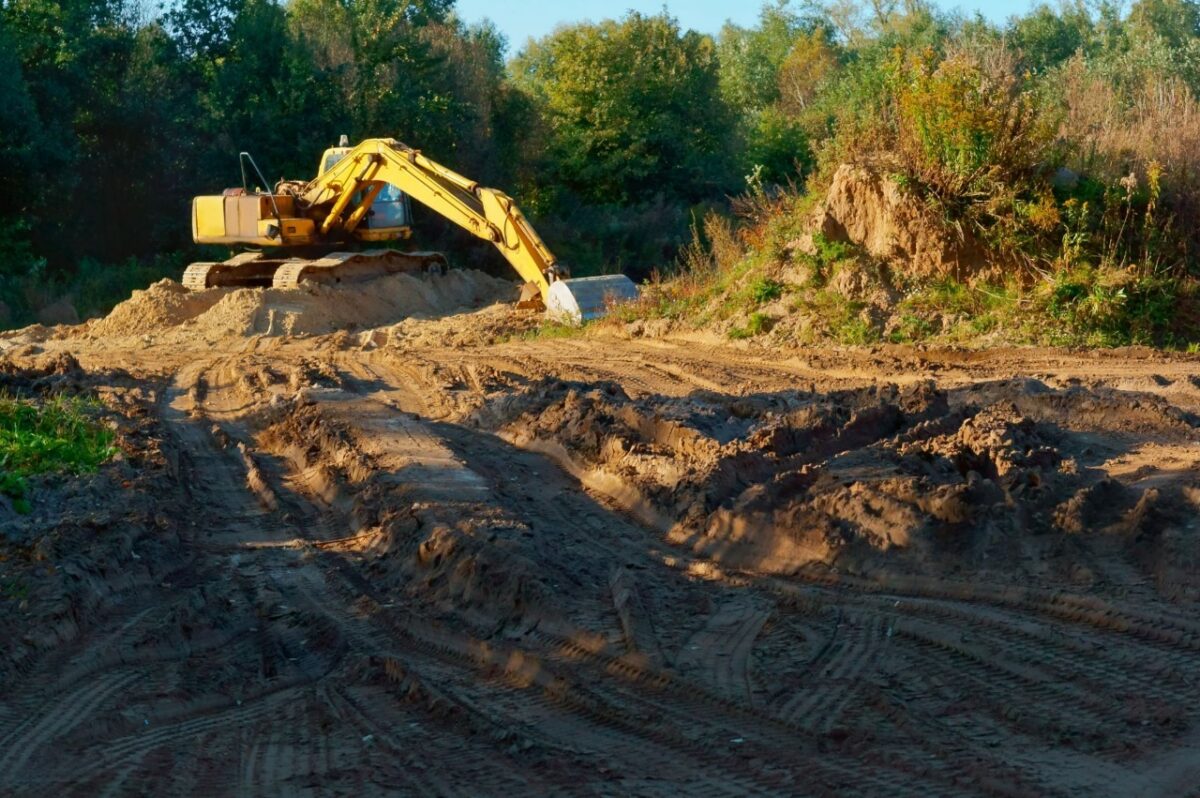
Most rural land in the Texas Hill Country doesn’t require a land clearing permit before you clear it. That’s the short answer. But burn bans, city tree ordinances, HOA rules, and county drainage requirements can still stop your project cold if you skip them. Here’s what actually applies in Comal, Hays, Blanco, and Kendall counties.
Do You Need a Permit to Clear Land in Texas?
Question: Do you need a permit to clear land in Texas? Answer: In most unincorporated parts of the Texas Hill Country, no county-issued permit is required to clear brush, cedar, or trees from private land. Texas doesn’t have a statewide land clearing permit law, and county governments generally don’t regulate vegetation removal on rural acreage the way cities regulate construction.
That said, “no permit needed” isn’t the same as “no rules apply.” Four things can still slow you down or get your land clearing project flagged: burn bans, city limits, HOA covenants, and floodplain or drainage rules tied to your county’s development code.
Did you know? Texas counties have broad authority over roads, drainage, and public safety, but the Texas Local Government Code doesn’t give most counties zoning power over private land use. That’s why land clearing itself usually falls outside the permit system that governs construction.
The Real Gatekeeper: Burn Bans, Not Permits
We walk properties across Comal, Hays, Blanco, and Kendall counties every month, and the permit question almost never comes up first. The burn ban question does. That’s because most landowners plan to burn cleared brush piles, and that’s exactly what a county burn ban restricts.
County commissioners courts can issue burn bans under Texas Local Government Code 352.081 whenever drought conditions raise wildfire risk. Texas A&M Forest Service tracks drought conditions statewide and helps counties decide when to issue or lift a ban. When a ban is active, open burning of cleared debris is prohibited, even on your own land, and violating it can bring a fine.
Hays County also requires an outdoor burning permit from the local fire marshal for certain burns even outside active ban periods. Comal, Blanco, and Kendall counties follow similar patterns tied to Texas Commission on Environmental Quality outdoor burning rules. Before you plan to burn a brush pile, check your county’s current burn ban status, not a general land clearing rule.
Pro Tip: Forestry mulching sidesteps the burn ban question entirely. Instead of piling and burning debris, a mulcher grinds brush and cedar into mulch that stays on-site, breaks down naturally, and never needs a burn permit at all.
County-by-County: What Comal, Hays, Blanco, and Kendall Actually Require
| County | Land Clearing Permit | Burn Restrictions | Local Note |
| Comal | Not required on rural acreage | County-issued burn bans during drought | New Braunfels city limits require a separate tree removal permit |
| Hays | Not required on rural acreage | Burn ban plus fire marshal burn permits | Fast-growing subdivisions often carry HOA clearing rules |
| Blanco | Not required on rural acreage | County-issued burn bans during drought | Mostly unincorporated; fewer city-level tree rules |
| Kendall | Not required on rural acreage | County-issued burn bans, reinstated often in dry years | Boerne’s Urban Forestry program regulates in-city tree removal |
This table covers unincorporated land. If your property sits inside a city boundary, the rules change.
When City Limits Change the Rules
Land clearing rules shift the moment your property crosses into an incorporated city. New Braunfels regulates tree removal within city limits through its Land Development Ordinance, and Boerne runs an Urban Forestry program built around the tree ordinance in Section 8.3 of its Unified Development Code. Neither Hays nor Blanco County’s smaller towns are as strict, but it’s worth a five-minute call to your city’s planning department before equipment shows up.
Did you know? Many Hill Country subdivisions sit just outside city limits but were annexed years later, which means the tree rules that apply can change without the property ever changing hands.
One More Layer: Floodplain and Drainage Rules Near Creeks
Hill Country properties near a creek, draw, or floodplain can trigger a different kind of permit entirely. Comal, Hays, Blanco, and Kendall counties each maintain a floodplain administrator, and clearing vegetation that changes drainage patterns near a mapped floodplain can require a floodplain development permit through the county engineering office. This isn’t a general land clearing rule. It only applies near mapped waterways, but Hill Country flash flooding makes it worth checking if your property backs up to a creek or sits in a low-lying draw.
Pro Tip: Pull your property’s FEMA flood map before clearing near any creek bed. A quick check with your county engineering office can save weeks of delay if your project falls inside a regulated floodplain boundary.
HOA and Deed Restrictions: Rules the County Can’t Override
Even where no government permit applies, a homeowners association or deed restriction can still require board approval before you clear trees, brush, or a building site. These private agreements are recorded against the property and are enforceable separately from any county or city rule. Some Hill Country HOAs restrict clearing to protect views, tree canopy, or drainage between lots.
Before scheduling a project in a platted subdivision, pull your deed restrictions or ask your HOA management company directly. This step catches more delays than any government office does.
What Happens If You Skip These Steps
Clearing without checking burn bans, city rules, or HOA covenants doesn’t usually stop a project outright, but it can bring fines, stop-work requests, or a neighbor dispute you didn’t need. Most issues we see trace back to a burn pile lit during an active ban or a subdivision covenant nobody read before the mulcher arrived.
Pro Tip: Call your county fire marshal’s office the same week you schedule your project, not the day before. Burn ban status can change within hours during a dry stretch, and knowing early lets your contractor plan around it instead of stalling mid-job.
Want the full picture on what drives cost and timeline once permits and burn rules are settled? Our complete guide to land clearing in the Hill Country breaks down cedar density, caliche soil, and what actually shapes your quote.
Frequently Asked Questions
Do I need a permit to clear trees on my own land in Texas?
In most unincorporated Hill Country areas, no county permit is required to clear trees or brush on private rural land. City limits, HOA rules, and active burn bans can still apply depending on your exact location.
Is it illegal to burn brush during a burn ban in Texas?
Yes. Outdoor burning of cleared brush and debris is prohibited during an active county burn ban, and violations can carry fines. Check your county’s current status before planning any burn pile.
Do HOA rules override county land clearing rules?
HOA covenants and county rules are separate and both apply. Even where the county requires no permit, a recorded deed restriction or HOA rule can still require board approval before clearing.
Does forestry mulching require a burn permit?
No. Forestry mulching grinds brush and trees into mulch instead of burning them, so it isn’t affected by burn bans and needs no burn permit at all.
Do New Braunfels or Boerne require a tree removal permit?
Yes, for qualifying trees within their city limits. New Braunfels regulates removal through its Land Development Ordinance, and Boerne regulates protected trees through its Urban Forestry program and tree ordinance.
Most rural land in Comal, Hays, Blanco, and Kendall counties doesn’t need a land clearing permit. What it does need is a quick check on burn bans, city limits, HOA covenants, and floodplain rules before the first tree comes down. Skip that step, and a simple project can turn into a fine or a stalled job.
The Mulching Marine serves Fischer, TX and the Texas Hill Country. Call (830) 402-5205 or request your complimentary quote, and we’ll walk your property, flag anything that applies, and give you a straight answer before any equipment shows up.